


Poverty Experts Join Voices to Calls to Legislate the Right to Food
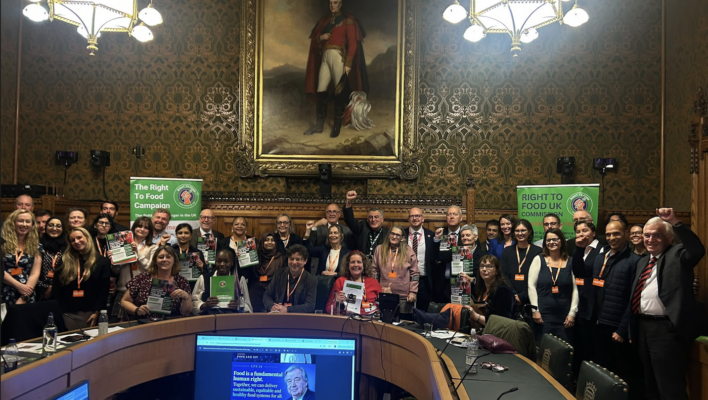
On 20 November 2026, the Right to Food UK Commission held the parliamentary launch of its final report, “A Roadmap to Delivering Food Security for All by 2035”. This report brings together voices of experts from academia, government, civil society, business, and people with lived experience of food insecurity.
Together, they bring a diverse body of evidence of the food insecurity experienced in the UK and present a viable path forward — a roadmap of actionable recommendations centred around a proposed legal commitment by the government to ensure the Right to Food in the United Kingdom.
ATD Fourth World contributed to this report with written evidence consolidating the experiences of several peer groups of lived-experience activists. This input is featured in Chapter 16 of Annex 2: Voices of the Right to Food UK Commission. The report notes that:
“[ATD Fourth World’s] evidence on food aid is the most detailed the Commission received”.
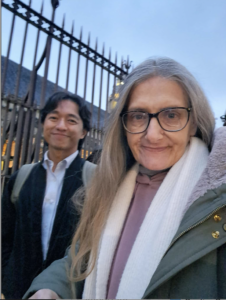
The parliamentary launch was attended by Tammy Mayes, a senior activist who has been part of ATD Fourth World’s Giving Poverty a Voice programme for more than 15 years.
Human dignity is foundational
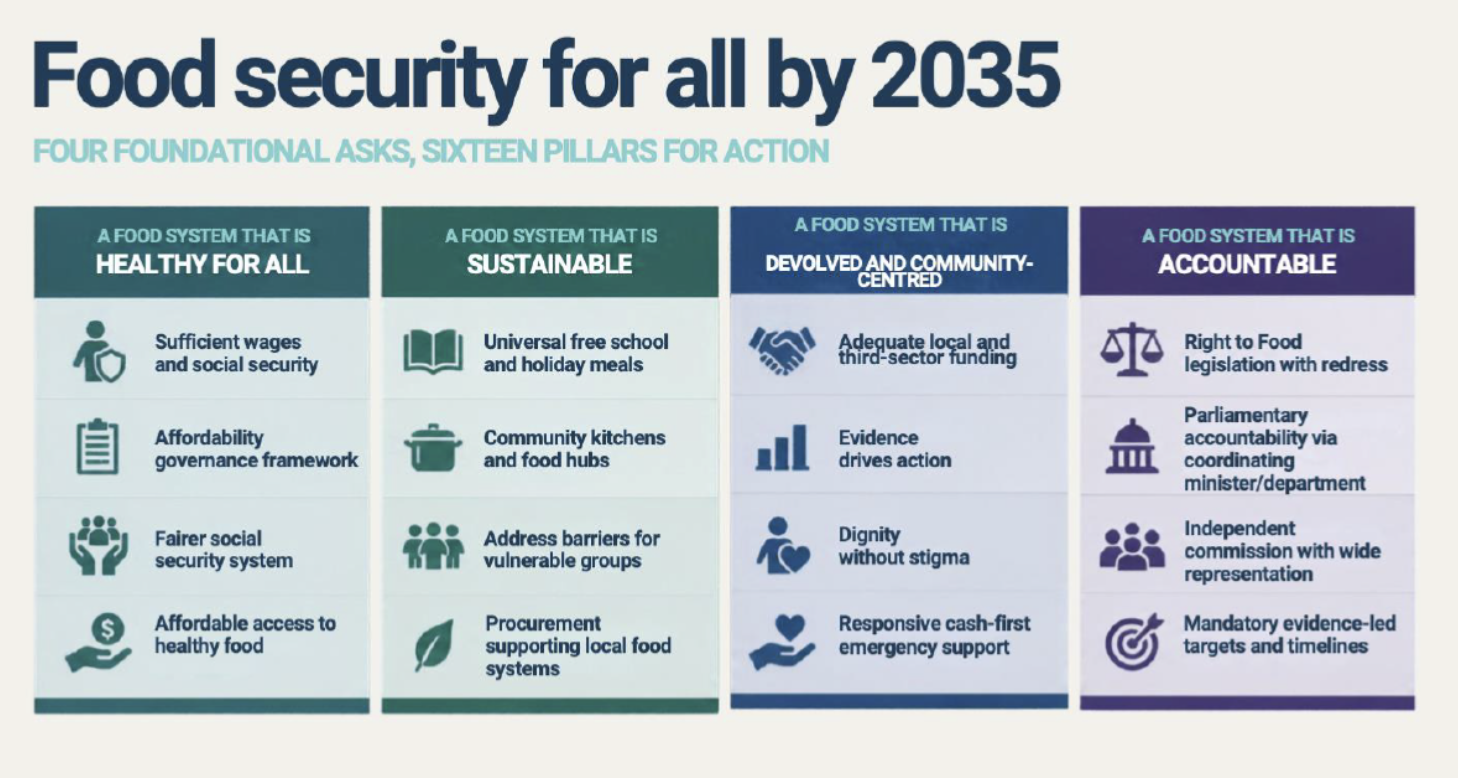
ATD Fourth World UK commends the commission for setting human dignity as foundational to ending food insecurity in the UK. We support its recommendations for a fairer social security system, to address barriers for vulnerable groups, and to establish accountability measures with wide representation including civil society and lived experience groups.
We also support the report’s proposed immediate relief measures, specifically to reduce barriers for accessing emergency support, and the assessment of affordability prior to the imposition of sanctions on benefits. One immediate measure in particular — the ending of the five-week wait for Universal credit — could address long-standing issues raised by experts with lived experience of poverty. We reiterate the importance of dignity and ending stigma in the provision of support for food in the UK.
Accountability
Because the commission recommends accountability measures that include people with lived experience of food insecurity, ATD Fourth World would like to propose a tool that could be used: the Inclusive and Deliberative Elaboration and Evaluation of Policies process, which was co-developed by ATD with the UN Special Rapporteur on extreme poverty and human rights. This tool uses the Merging of Knowledge methodology to bring the vantage point of people in poverty into decisions as a way to uncover and rectify policy blind spots.
We hope that the government will implement the recommendations of the Right to Food UK Commission.
This right should leave behind digital surveillance and institutionalised charity, moving instead toward structural equity, accountability and recognition of human dignity.
It should include ensuring that benefits are adequate so that food banks are no longer needed. It should end the lower minimum wage for 18–25-year-olds, who pay the same prices for food as everyone else. And this right should include taking a serious look at how the digitalisation of food assistance, Universal Credit, Healthy Start cards, cashless free school meals, and Aspen cards has fragmented provision, shifted the burden onto volunteers, excluded people without devices or connectivity, and handed financial and data management to private corporations.